National Electric Vehicle Infrastructure (NEVI) Program Hawai‘i Earns 1st Program Award

Background
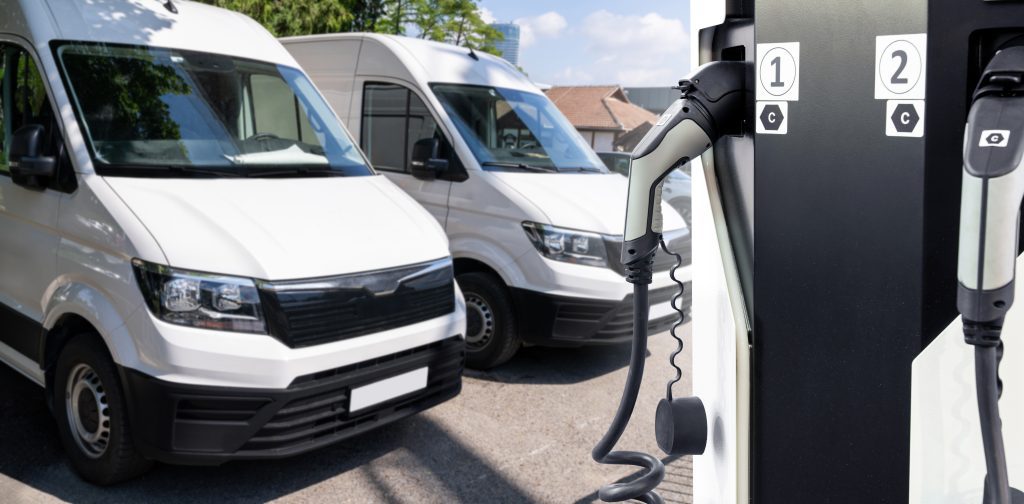
The National Electric Vehicle Infrastructure (NEVI) Formula Program is a major U.S. federal initiative designed to build out a nationwide network of electric vehicle (EV) fast-charging stations along designated Alternative Fuel Corridors to ensure consistent and reliable long-distance EV travel.
Administered by the Federal Highway Administration (FHWA), the program provides $5 billion in funding to states over five years to support deployment in line with federal standards for charger performance, interoperability, uptime, and reliability.
The program aims to:
- Enable long-distance EV travel across the U.S., particularly along designated highway corridors
- Reduce “range anxiety” by ensuring accessible, publicly available, and well-spaced charging infrastructure
- Accelerate EV adoption and reduce transportation-related emissions
- Standardize and improve the quality and reliability of public charging infrastructure
Challenge
Building EV charging infrastructure at scale is complex. States face significant barriers to deploying EV fast-charging infrastructure, including high upfront capital costs, complex utility coordination, and uncertainty around long-term utilization.
Challenges extend to site selection, feasibility analysis, permitting, and securing sufficient power along transportation corridors where grid upgrades can be costly and time-intensive.
At the same time, states must also adapt to evolving technologies and needs while ensuring charging infrastructure delivers reliable performance, interoperability, uptime, and equitable access.
Hawaiʻi has faced an added layer of complexity. The island geography, limited highway corridors, constrained grid capacity, higher equipment shipping costs, and the need to develop sites across multiple islands have made statewide deployment especially challenging.

Project Description
Sustainability Partners, in collaboration with the Hawai‘i Department of Transportation (HDOT), is advancing EV and energy resilience infrastructure across the state.
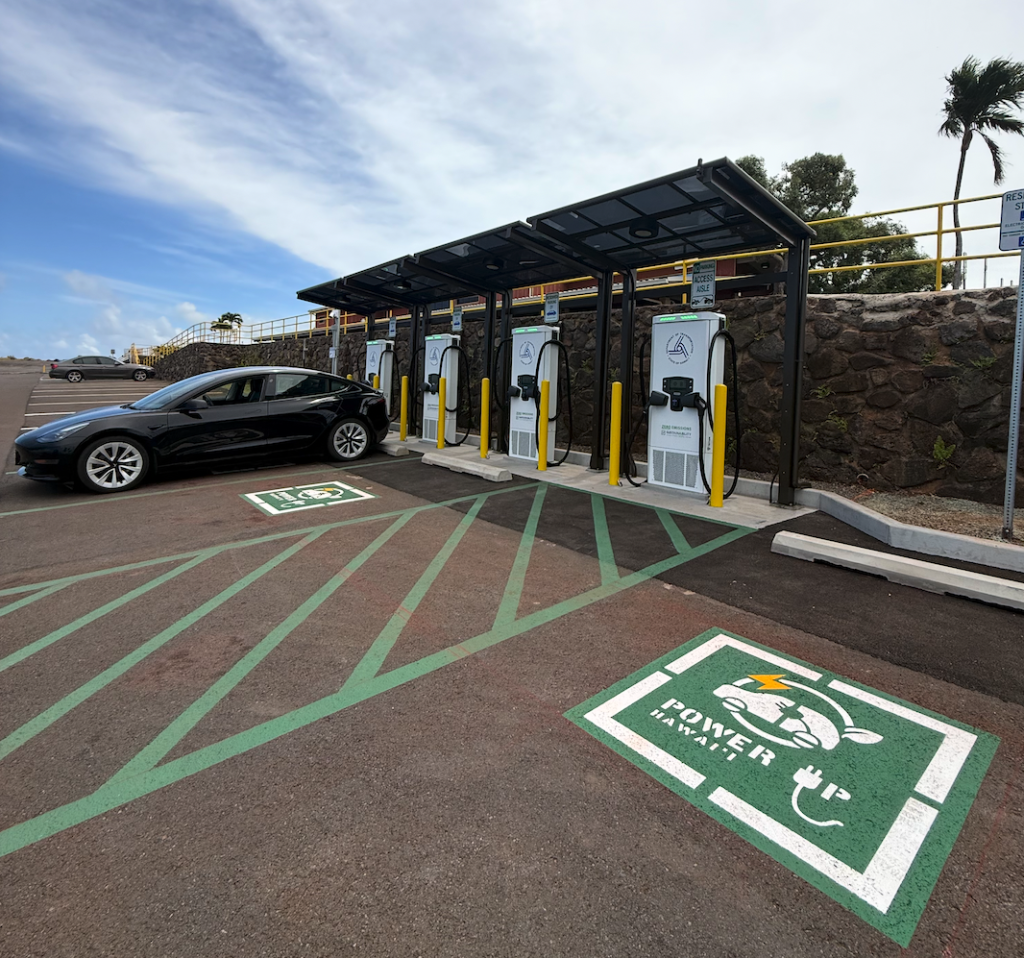
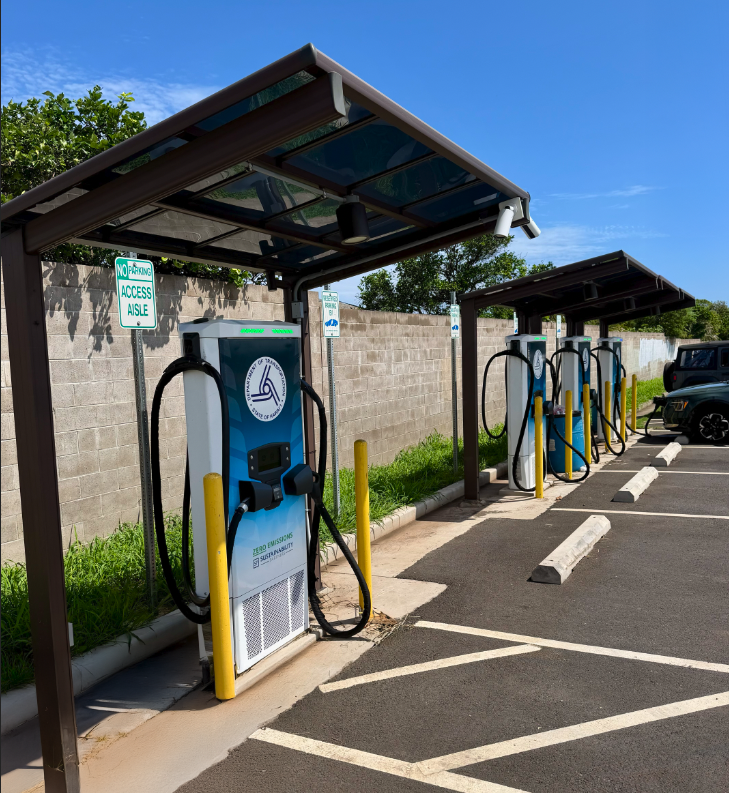
SP is supporting Hawai‘i’s National Electric Vehicle Infrastructure (NEVI) program by facilitating the design, installation, and ongoing maintenance of public fast charging stations along key travel corridors. Each site includes 150 kW direct current fast chargers and supporting infrastructure to provide consistent and reliable charging for residents and visitors.
Together, these efforts create a coordinated, statewide approach to electrification, integrating clean energy, transportation, and infrastructure to support Hawai‘i’s long term sustainability goals.
Impact
Working with HDOT, Sustainability Partners streamlines EV infrastructure delivery by combining equipment procurement, site design, installation, and ongoing maintenance into a single delivery model. Hawai’i’s NEVI Plan recognizes that HDOT’s existing contract with Sustainability Partners provides a critical advantage in expediting implementation since the procurement and contracting phase is already complete.
Through the NEVI program, Sustainability Partners is supporting HDOT’s efforts to expand EV charging access across Hawai’i and advance a future in which EV charging stations are accessible and widely available across all islands.
- First NEVI Program Award: The state received national attention when the White House awarded Hawai’i the first NEVI Program Award, inviting HDOT and Sustainability Partners to present about the state’s electrification plans.
- Accessible Charging: HDOT plans to build 11 NEVI charging stations statewide.
- Addressing Present & Future Needs: These projects support a resilient, sustainable, and future ready transportation system that meets growing EV demand.
- Local Community Engagement: Through partnerships with qualified local vendors, this initiative has driven strong community engagement while stimulating local economic growth and job creation.
- Clean Energy Goals: These innovative projects reduce emissions, advance clean transportation, and deliver critical infrastructure for communities across the islands.
Interested in Learning More?
Please fill out the form and a member of our team will reach out to you shortly.